Last Updated on February 20, 2026 by Christian Heide
Architecture lovers often talk about styles as if they develop in isolation: Catalan modernisme in one corner of Europe, Dutch expressionism in another. But for us, these aren’t just styles in textbooks – they are deeply tied to two cities that have captured our hearts. Every time we walk through Barcelona or Amsterdam, we are reminded why we fell in love with architecture in the first place. In Barcelona, we find ourselves looking up constantly, tracing curves and colors, amazed at how buildings can feel alive. In Amsterdam, we slow down to admire the rhythm of brick, the sculpted doorways, the way entire streets feel carefully composed yet welcoming. These cities taught us that architecture isn not only about shelter or function; it’s about emotion, identity, and the stories a place tells through its walls. Our passion for both cities has shaped how we see buildings everywhere, and it’s what draws us to the fascinating parallels between their architectural worlds – two different languages expressing a similar belief that our surroundings should inspire us every day.
Nature, geometry, and imagination in Barcelona
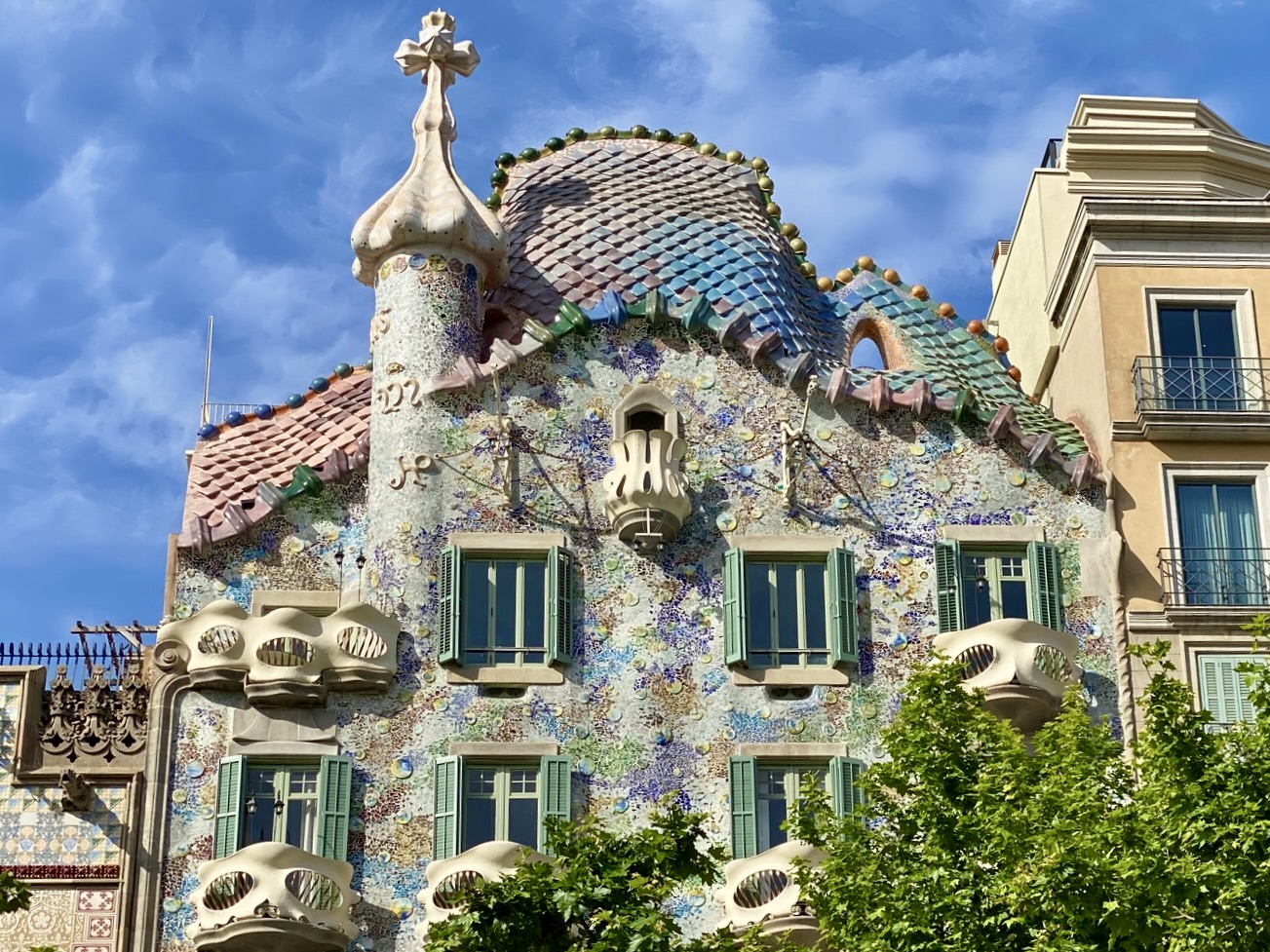
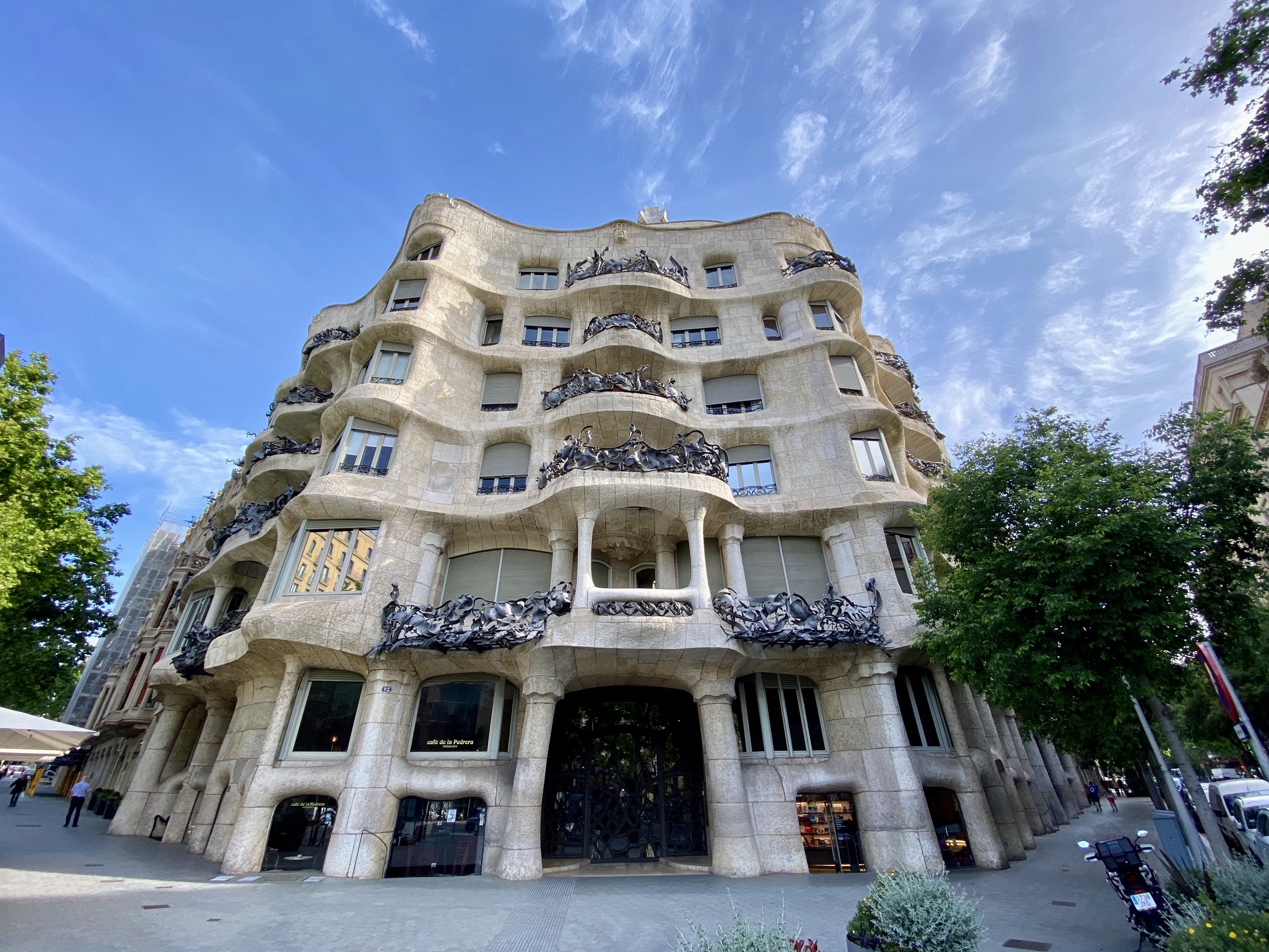
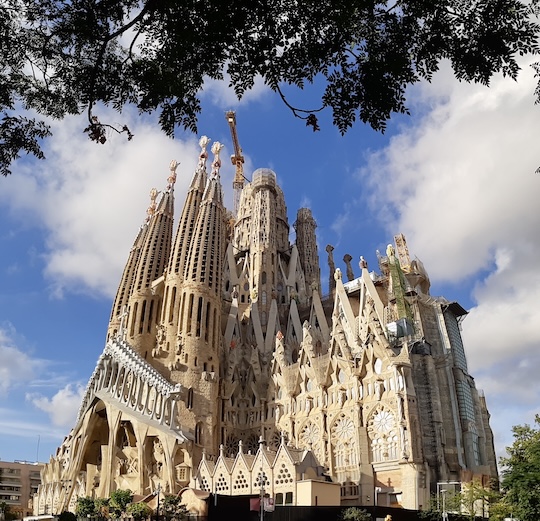
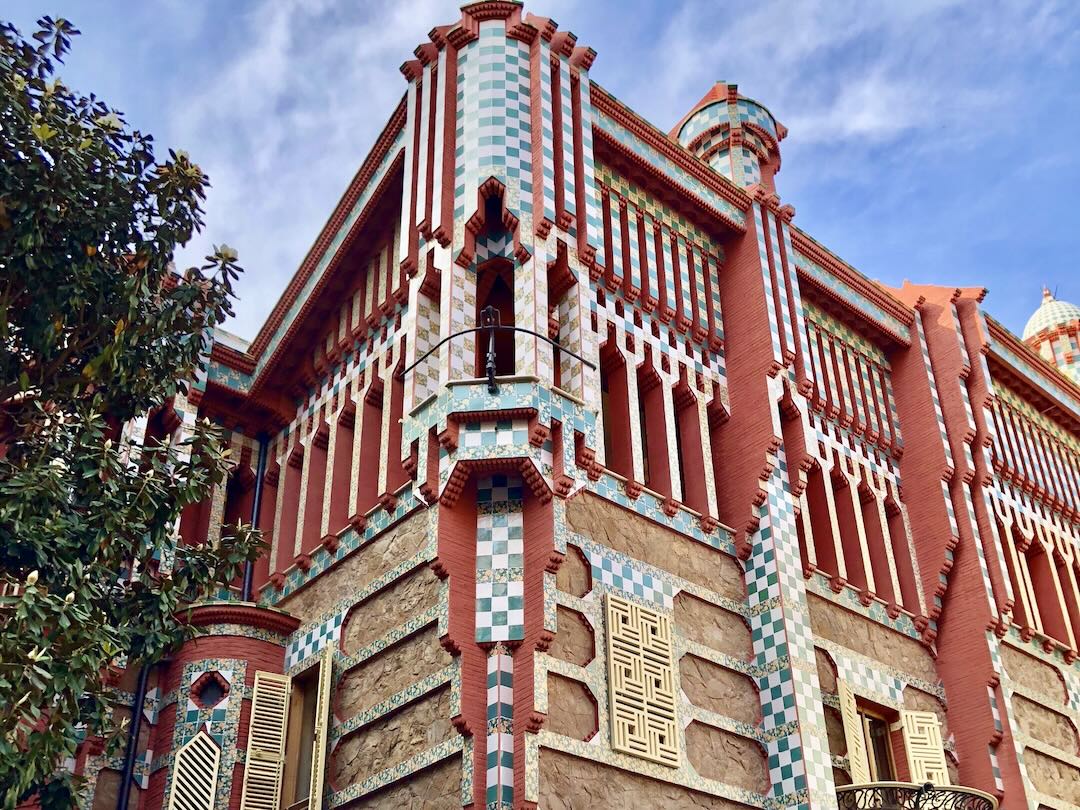
Any walk through Barcelona quickly reveals the singular vision of Antoni Gaudí. His architecture feels alive. Facades ripple, columns branch like trees, and surfaces shimmer with color. Yet behind this fantasy lies rigorous thinking.
Gaudí studied natural forms – plants, bones, caves -and translated their logic into structure. He used catenary arches and complex geometries not just for beauty but for strength and efficiency. In his view, nature had already solved many engineering problems; the architect’s job was to learn from it.
Landmarks like Sagrada Família, Park Güell, Casa Batlló, and Casa Milà show how far he pushed this philosophy. Sculpture, ceramics, stained glass, and ironwork are fully integrated into the architecture. These buildings are not neutral containers for life; they tell stories, express faith, and invite wonder.
Just as important is Gaudí’s embrace of craftsmanship. He collaborated closely with artisans, valuing the handmade in an era of growing industrialization. For him, modernity did not mean abandoning ornament—it meant reinventing it.
Brick expressionism in Amsterdam
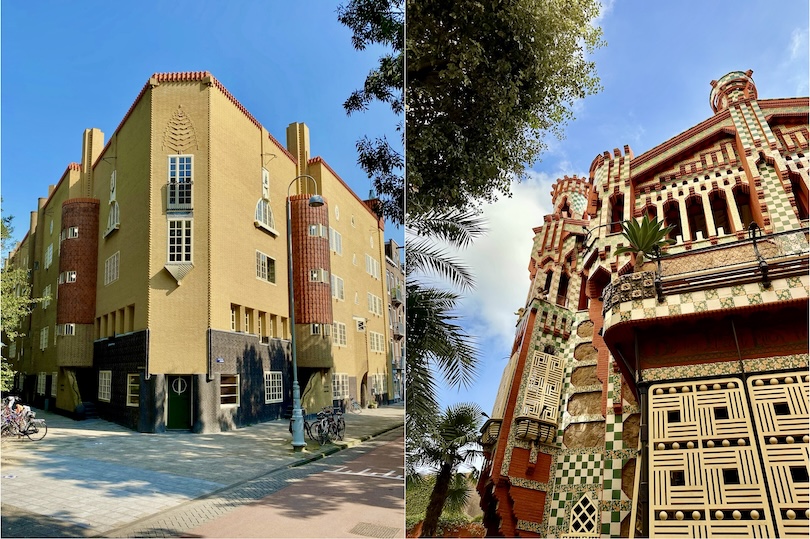
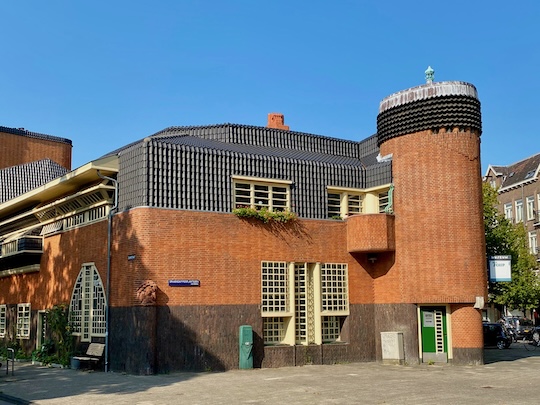
Several hundred kilometers north, a different yet oddly related energy shaped architecture in Amsterdam. The Amsterdam School developed a bold expressionist style between roughly 1910 and 1930. Instead of Gaudí’s colorful mosaics and fluid stone, these architects worked primarily with brick. But they treated brick as a sculptural medium.
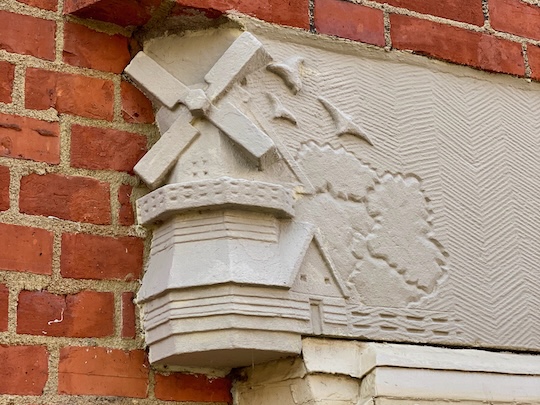
Complex masonry patterns, rounded corners, towers, and dramatic rooflines turned ordinary buildings into urban artworks. Decorative elements—reliefs, lettering, ironwork—were woven into the designs. The result was architecture that felt dynamic and humane rather than purely functional.
Leading figures included Michel de Klerk, Piet Kramer, and Johan van der Mey. Many of their projects were social housing, created during a period of progressive municipal policies in the Netherlands. Beauty was not seen as a luxury but as a public good.
The housing complex Het Schip is a perfect example. With its curved forms, rich brick textures, and thoughtful details, it transforms workers’ housing into something dignified and memorable. Everyday residents were surrounded by design that suggested care and creativity.


Shared values across borders
At first glance, Gaudí and the Amsterdam School look completely different. One is colorful, organic, and deeply tied to religious symbolism; the other is more austere in material and often linked to civic projects. But they share striking values.
1. Craft over standardization
Both resisted the idea that industrialization should produce bland, identical buildings. They celebrated skilled labor and material expression.
2. Architecture as art
Neither approach treated buildings as mere machines for living. Emotion, symbolism, and storytelling mattered.
3. A response to modernity
Both were modern, but not minimalist. They proposed alternative modernities—ones that kept ornament, character, and local identity alive.
4. Human experience first
Whether designing a basilica or a housing block, the goal was to shape how people feel in space, not just how efficiently space functions.
Changing reputations
For a period in the mid-20th century, these expressive styles fell out of fashion. The rise of stark functionalism made ornament seem outdated. Some critics viewed highly decorative architecture as excessive or irrational.
Over time, opinions shifted. Gaudí is now celebrated worldwide as a visionary, and his works draw millions of visitors. Amsterdam School buildings are increasingly protected as heritage and appreciated for their warmth and individuality. In an age when many cities struggle with monotony and placelessness, these movements feel newly relevant.
Why they matter today
Contemporary architecture often grapples with sustainability, identity, and quality of life. The legacies of Gaudí and the Amsterdam School offer useful reminders:
- Natural inspiration can lead to efficient and beautiful design.
- Local materials and crafts can create distinctive character.
- Housing and public buildings deserve as much beauty as monuments.
- Cities are richer when architecture engages the senses and emotions.
Most of all, these traditions show that modern architecture was never a single straight line toward glass boxes and minimal surfaces. It has always included imaginative, poetic paths as well.
If you travel through Barcelona or Amsterdam with open eyes, you’ll see more than historic curiosities. You’ll see bold experiments in how architecture can uplift daily life—proof that creativity and social purpose don’t have to be opposites, but can be partners in shaping the cities we love.
Things to do in Amsterdam
The Amsterdam Feeling offers an architectural tour where you can learn more about the Amsterdam School. We show the similarity to Gaudí in Barcelona during our 2.5 hours walking tour “Gaudí parallels in Amsterdam“.
Things to do in Barcelona
The Barcelona Feeling offers with their tour “Gaudí and Barcelona Legends” a deep insight into the inspiration of architects such as Gaudí and contemporary architects. They make the connections to local history and culture. It is a two-hours walking tour that will make you see Barcelona in a different light.